
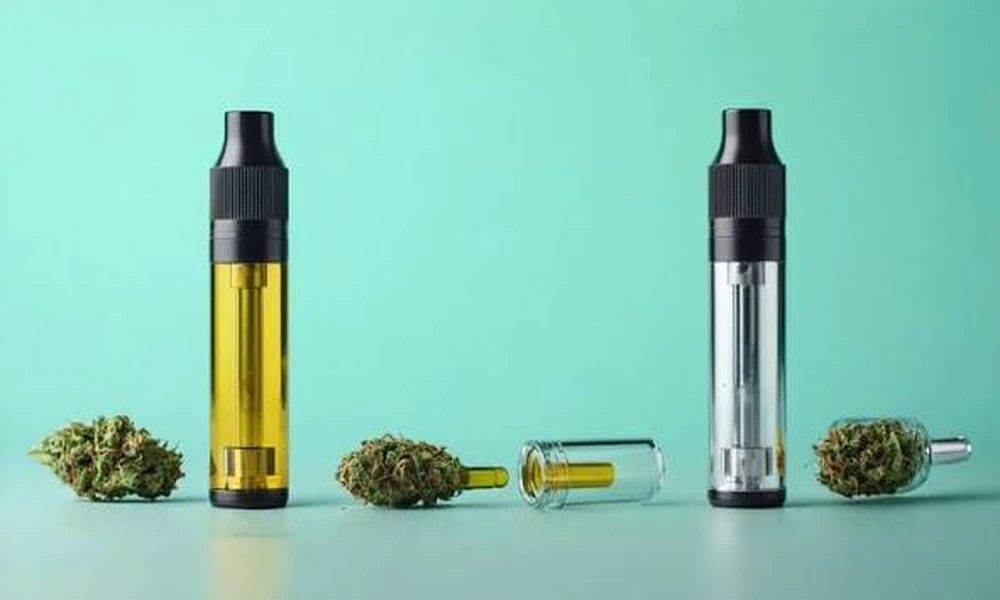
THCA vape cartridges are built around one core expectation. The draw you get on the first pull should feel the same on the fifteenth. best thca vapes earn that consistency through how coil resistance, wick speed, and oil viscosity are matched during production. When those three align, the hardware stops being a variable and starts being a constant. What breaks session consistency is rarely obvious. A wick that saturates too slowly leaves the coil running dry. A coil running too hot thins the oil faster than the chamber can stabilise. Cartridges built for reliable output go through fill-volume testing and inlet clearance checks before they ship. No distillate quality, however refined, can make up for hardware that was never matched to it properly.
How does THCA concentration affect the vapour?
THCA concentration measures how much raw cannabinoid the distillate holds, and that number shapes how dense and heavy each draw feels. Cartridges above 90% carry oil with very little plant residue remaining, which generally produces cleaner vapor that stays predictable across multiple pulls.
Concentration alone does not carry a session, though. Oil at that purity level without terpene reintroduction tends to run thin and produces vapor that feels sharp rather than smooth. Terpenes added back after extraction do more than restore flavour. They thicken the oil to a range where it feeds the wick at a controlled rate without flooding the coil. Getting that ratio right is what separates a cartridge that performs well early from one that holds up through the full fill.
Cartridge shell and coil integrity
Shell material and coil build quality determine whether the hardware stays neutral across repeated heat cycles or starts contributing unwanted compounds to the vapor. Glass with stainless steel internals holds up to repeated use without reacting to the oil, which keeps the vapor path clean from first draw to last.
- PCTG plastic performs acceptably early on but tends to degrade where it contacts high-concentration distillate over time.
- Polycarbonate shells soften slightly at higher temperatures, and that shift introduces off-notes into the vapor that accumulate across sessions.
- Mouthpiece bore width shapes how much resistance a draw carries, with narrower openings adding pull effort and wider ones easing vapor movement.
- The coil gauge has to suit the viscosity of the specific oil loaded, as a mismatch in either direction shows up as uneven heating.
Lab verification behind consistent draws
Third-party Certificates of Analysis are documents produced by independent laboratories confirming that a cartridge’s actual contents line up with what the label states across potency, solvents, pesticides, and metals. Those numbers are not just regulatory checkboxes, as each one reflects something that directly changes how a session feels.
Solvent carry-over from extraction introduces harshness that sits in the throat regardless of how well the hardware performs. Metal contamination from low-grade coil materials builds up across sessions, pulling draw quality down gradually in ways that are easy to miss until the difference becomes hard to ignore. A cartridge that has cleared full independent testing has confirmed its contents and hardware are matched well enough to perform the same way across the entire fill.
Consistent session quality is not a single decision made at one point in production. Inlet clearance, shell material, oil calibration, and clean lab results each contribute, and the absence of any one of them shows up in the draw sooner or later.