
Key Takeaways
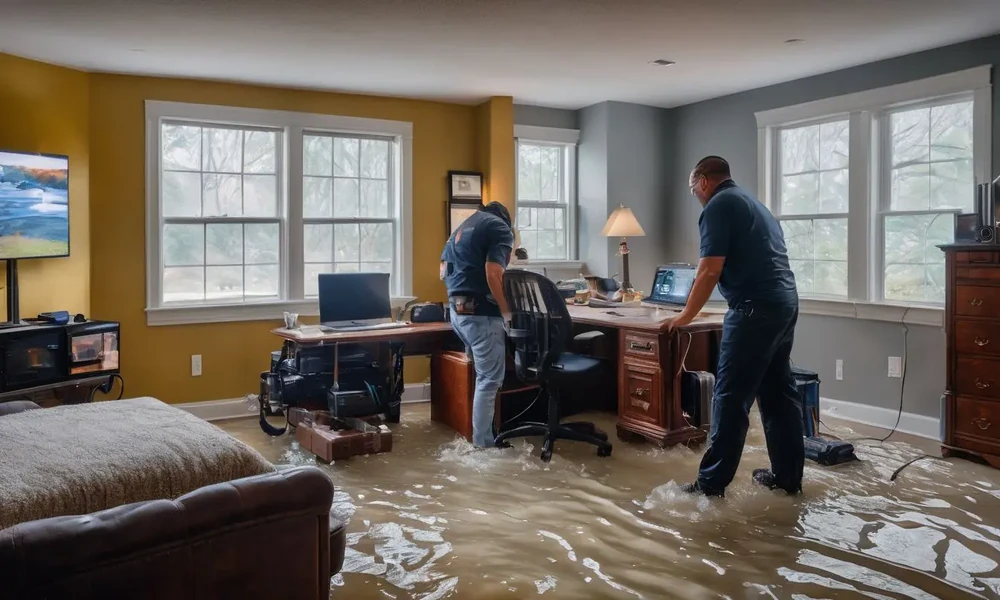
Water damage can threaten a property’s structural integrity, damage valuable belongings, and create conditions that encourage mold growth. Taking prompt action is essential to limit further damage and protect the safety of everyone inside the property.
Professional water damage restoration in Jackson offers several important benefits for homeowners and businesses. Experienced restoration teams use specialized equipment and proven techniques to remove standing water, dry affected materials, and determine which items can be repaired or need replacement.
The five essential benefits of professional water damage restoration include:
- Prevents further property damage: Quick water extraction and drying help reduce the risk of additional structural deterioration.
- Protects indoor health and safety: Proper cleaning and moisture control help address conditions that may encourage mold and bacterial growth.
- Saves time and money: Professional equipment and efficient restoration methods can help limit the scope and cost of repairs.
- Preserves valuable belongings: Expert assessments help determine which furniture, materials, and personal items can be salvaged.
- Restores comfort and peace of mind: Professional guidance helps property owners navigate the restoration process with greater confidence.
Choosing a qualified restoration provider helps property owners respond effectively to unexpected water damage and work toward returning their spaces to a safe, functional condition.
1. Prevents Further Property Damage
Why Immediate Water Removal Matters
Water damage can spread quickly throughout a property. A burst pipe, leaking appliance, overflowing fixture, or severe storm can leave floors, walls, ceilings, and personal belongings exposed to excess moisture. Even when the visible water appears manageable, moisture can seep into hidden areas and cause additional problems.
Acting quickly is essential because prolonged exposure can weaken building materials, damage flooring, and increase the likelihood of mold growth. Materials such as drywall, insulation, and carpeting may absorb water, making proper drying and inspection necessary before repairs begin.
Professional restoration teams use specialized pumps, water extractors, air movers, and dehumidifiers to remove moisture efficiently. They also assess affected areas to identify water that may have spread behind walls, beneath flooring, or into other concealed spaces.
Homeowners seeking water damage restoration jackson can benefit from professional assistance in identifying the extent of the damage and determining the appropriate restoration steps.
Key advantages of prompt restoration include:
- Removing standing water before it causes additional deterioration.
- Identifying hidden moisture in affected building materials.
- Reducing the likelihood of extensive repairs.
- Protecting structural components from prolonged water exposure.
- Helping prevent secondary problems caused by lingering moisture.
Protecting the Long-Term Condition of Your Property
The visible effects of water damage do not always reveal the full extent of the problem. A damp ceiling, discolored wall, or warped floor may indicate moisture affecting surrounding materials.
Professional inspections help determine which components can be dried and restored and which require replacement. Addressing these issues early can help preserve the property’s condition and reduce the risk of more extensive damage developing later.
2. Protects Indoor Health and Safety
Reducing Mold and Moisture-Related Risks
Water damage affects more than the physical condition of a building. Excess moisture can create conditions that encourage mold growth, particularly when wet materials are not dried promptly. Mold may produce allergens and irritants that can affect indoor air quality and trigger symptoms in sensitive individuals.
Standing water may also contain contaminants, depending on its source. Water from sewage backups or flooding can present additional biological and chemical hazards, requiring appropriate protective measures and specialized cleanup procedures.
Professional restoration services address these risks by removing water, drying affected materials, cleaning contaminated surfaces, and identifying areas that require additional treatment.
Important health and safety benefits include:
- Reducing excess moisture that can support mold growth.
- Removing contaminated water using appropriate procedures.
- Cleaning and sanitizing affected surfaces when necessary.
- Identifying materials that cannot be safely restored.
- Helping improve indoor conditions before the property is occupied again.
Creating a Safer Indoor Environment
Different types of water damage require different approaches. Water from a clean supply line may present fewer contamination concerns than water from a drain backup or floodwater. Restoration professionals evaluate the water source and the extent of contamination before deciding how affected materials should be handled.
Property owners should avoid entering areas with potential electrical hazards or handling contaminated water without proper protection. If flooding affects electrical systems, occupants should stay away from the affected area and contact qualified professionals.
By combining moisture control, appropriate cleaning, and safety-focused assessments, professional restoration helps property owners work toward a healthier indoor environment.
3. Saves Time and Money on Repairs
How Professional Equipment Improves Efficiency
Water damage restoration often involves several tasks, including water extraction, moisture detection, drying, cleaning, and repairs. Attempting to handle everything with ordinary household equipment can leave moisture behind, prolong the process, and increase the likelihood of recurring problems.
Professional restoration teams use commercial-grade equipment designed to handle substantial water intrusion. Moisture meters and other detection tools help locate affected areas, while air movers and dehumidifiers support controlled drying.
A structured restoration process can help property owners address the source of the damage, reduce unnecessary work, and avoid overlooking moisture in concealed spaces.
The potential cost-saving benefits include:
- Reducing the extent of damage through prompt intervention.
- Limiting the need for unnecessary material replacement.
- Identifying repair priorities early.
- Reducing the risk of moisture-related problems returning.
- Supporting more organized restoration and insurance documentation.
Avoiding Expensive Long-Term Consequences
Delaying water damage restoration may allow the problem to spread. For example, a small leak that remains unnoticed can damage cabinets, flooring, wall cavities, and nearby building materials. Repairing several affected areas may cost considerably more than addressing the original problem promptly.
Professional restoration does not guarantee that every item or building component can be saved. However, an accurate assessment helps property owners make informed decisions about which materials can be restored and where replacement is necessary.
Property owners should also review their insurance policies and document the damage with photographs when it is safe to do so. Detailed records, restoration assessments, and receipts may help support the claims process, although coverage and claim outcomes depend on the policy and circumstances.
4. Preserves Valuable Belongings and Property Value
Determining Which Items Can Be Restored
Water damage can affect furniture, clothing, electronics, documents, flooring, and other personal belongings. Some items may be salvageable with appropriate cleaning and drying, while others may be too damaged or contaminated to restore safely.
Restoration professionals evaluate factors such as the type of water involved, the material’s condition, the duration of exposure, and the likelihood of successful restoration. This assessment helps property owners decide whether restoration or replacement is the more practical option.
Depending on the circumstances, restoration may help preserve:
- Furniture and selected household items.
- Personal belongings with sentimental value.
- Certain building materials and fixtures.
- Documents and other items that may be recoverable through specialized services.
- Commercial equipment and inventory that can be safely restored.
Not every item can be saved, particularly when it has been exposed to contaminated water. Safety should always take priority over preserving possessions.
Maintaining Property Condition and Value
A property affected by water damage may develop visible stains, damaged finishes, warped flooring, or persistent odors if the problem is not addressed appropriately. These issues can affect how the property looks and functions.
Professional restoration helps identify the repairs needed to return affected areas to a usable condition. By addressing moisture and damage systematically, property owners can reduce the likelihood of unresolved problems affecting future maintenance or property assessments.
For homeowners and businesses in Jackson, a careful restoration plan can help protect both the property’s functionality and the investment it represents.
5. Restores Comfort and Provides Peace of Mind
Simplifying a Stressful Restoration Process
Unexpected water damage can disrupt everyday life. Homeowners may need to relocate furniture, arrange repairs, communicate with insurers, and determine whether affected rooms are safe to use. Business owners may also face interruptions to operations and concerns about protecting employees, customers, and inventory.
Professional restoration services provide a more organized approach to managing these challenges. A restoration team can assess the damage, explain the recommended work, coordinate drying and cleanup, and identify areas that require reconstruction.
Having a clear plan helps property owners understand what needs to happen next and which decisions require their attention.
A professional restoration process may include:
- Initial inspection and damage assessment.
- Water extraction and moisture detection.
- Drying and dehumidification.
- Cleaning and sanitizing when appropriate.
- Evaluation of damaged materials and belongings.
- Repair or reconstruction planning.
The exact process depends on the source, severity, and extent of the water damage.
Helping Homeowners and Businesses Move Forward
Restoration involves more than removing water. The ultimate goal is to make the affected space safe and functional again while addressing the damage that caused the disruption.
For homeowners, this may mean returning to comfortable living conditions. For businesses, it may involve restoring work areas and reducing the duration of operational interruptions.
Clear communication is an important part of this process. Property owners should ask for an explanation of the assessment, the expected work, the estimated timeline, and any limitations that could affect the outcome.
With professional guidance and an appropriate restoration plan, property owners can make informed decisions and move toward recovery with greater confidence.
What to Do After Water Damage in Jackson
Taking the right initial steps can help limit further damage while waiting for professional assistance.
- Prioritize safety. Stay away from standing water near electrical systems, and do not enter areas with structural hazards.
- Stop the water source if safe. Shut off the relevant water supply when possible without exposing yourself to danger.
- Document the damage. Take photographs and videos for your records and potential insurance claims, provided it is safe.
- Protect unaffected areas. Move valuable belongings away from the affected area only if doing so does not put anyone at risk.
- Contact a restoration professional. Arrange an assessment to determine the extent of the damage and the appropriate next steps.
- Keep relevant records. Save receipts, service reports, and communications related to the incident and any insurance claim.
Avoid using household fans or electrical equipment in flooded areas until electrical hazards have been assessed. Contaminated water should be handled by appropriately equipped professionals.
FAQ
How quickly should water damage be addressed?
Water damage should be assessed as soon as possible. Prompt water extraction and drying can help reduce further deterioration and lower the risk of mold growth. The appropriate response depends on the water source and the severity of the damage.
How long does water damage restoration take?
The timeline varies according to the affected area, the amount of water, the materials involved, and the extent of contamination. Water extraction and initial drying may take several days, while repairs or reconstruction can take longer.
Can all water-damaged materials be restored?
No. Some materials can be cleaned and dried successfully, while others may need to be replaced because of structural deterioration or contamination. Restoration professionals evaluate each situation to determine the safest and most practical approach.
Does homeowners insurance cover water damage restoration?
Coverage depends on the policy and the cause of the damage. Some sudden and accidental water incidents may be covered, while flooding and damage caused by neglected maintenance may be subject to exclusions or separate coverage requirements. Property owners should review their policies and contact their insurance providers.
Can water damage cause mold?
Yes. Excess moisture can encourage mold growth, sometimes within 24 to 48 hours under favorable conditions. Prompt drying, moisture control, and appropriate cleanup can help reduce the risk, although the actual timeline depends on environmental conditions and the materials affected.
What equipment do restoration professionals use?
Depending on the situation, restoration professionals may use water extractors, pumps, air movers, dehumidifiers, moisture meters, and specialized cleaning equipment. The equipment used depends on the extent and type of water damage.
Is professional water damage restoration better than doing it yourself?
Professional restoration can be particularly important when water has affected structural materials, spread into concealed areas, or come from a contaminated source. Small, clean-water spills may be manageable by property owners, but extensive damage and potential hazards require appropriate professional assessment.
Useful Resources
- American Red Cross – Provides disaster preparedness and recovery resources, including information on water damage.
- Federal Emergency Management Agency (FEMA) – Offers guidance on disaster recovery, including water damage resources.
- Centers for Disease Control and Prevention (CDC) – Features health information related to mold and water-related illnesses.
- Institute of Inspection, Cleaning and Restoration Certification (IICRC) – Offers certifications and standards for water damage restoration professionals.
- National Fire Protection Association (NFPA) – Provides protective measures and safety information regarding water damage and related risks.
- Mold Information Center – A resource dedicated to understanding mold, its health effects, and remediation tips.
- HomeAdvisor – Connects homeowners with qualified professionals for home restoration services, including water damage restoration.
- HVAC.com – Offers information on moisture control and prevention tips related to air quality and water damage.