
Finding the Perfect Aspen Neighborhood for Mountain LivingKey Takeaways
- Aspen neighborhood choice should begin with lifestyle needs, not finishes alone.
- Access, terrain, privacy, sunlight, maintenance, and nearby services can affect everyday ownership.
- Rules for zoning, renovations, and rentals should be reviewed before an offer is written.
- Comparing homes with a consistent scorecard helps buyers separate priorities from emotion.
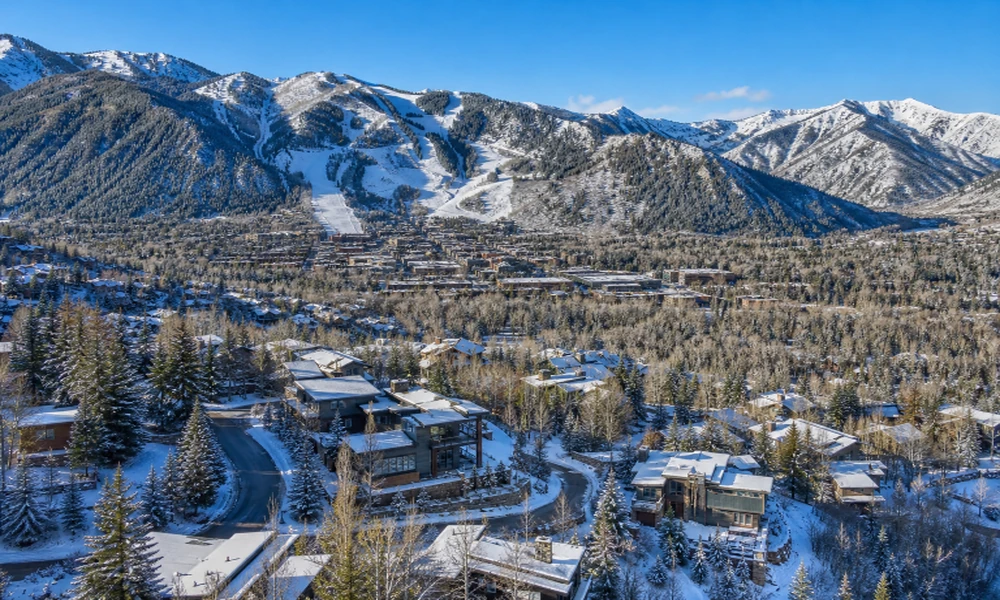
Choosing a mountain home in Aspen, Colorado, involves more than finding the right architecture or view. Daily routines can vary dramatically from one neighborhood to another, especially when winter roads, ski access, walkability, privacy, and property rules come into play. For buyers who want a structured local perspective, Aspen real estate agent Lex Tarumianz and Lex Tarumianz Realty offer Aspen Snowmass property searches, neighborhood guides, and luxury residential insight across areas including the East End, Cemetery Lane, McClain Flats, Starwood, Brush Creek, Meadowood, and West Buttermilk. The right location should support the way the home will actually be used. A downtown residence may make dinner reservations, galleries, and errands easy to reach on foot, while a hillside estate may deliver greater separation, wider views, and space for family gatherings. Neither lifestyle is universally better. The best fit comes from understanding the trade-offs before a favorite listing turns an initial impression into a rushed decision.
Start With the Home’s Main Purpose
Before touring neighborhoods, define the property’s job. A primary residence, a seasonal retreat, a gathering place for extended family, and a lock-and-leave investment property can require very different surroundings. Consider how many months you expect to occupy the home, whether children or frequent guests need separate spaces, and how important quick trips to skiing, schools, dining, or the airport will be. It also helps to identify the preferences that cannot be compromised. Some buyers need to walk into town. Others want a large lot, a quiet road, room for equipment, or the ability to host several generations at once. Once those priorities are clear, neighborhoods become easier to compare fairly.
Compare Aspen-Area Living Styles
Walkable In-Town Areas
In-town homes appeal to owners who want restaurants, shops, cultural venues, and everyday services nearby. Less driving can be especially attractive during busy periods. The trade-off may be smaller lots, more pedestrian activity, and less separation from neighboring homes.
Quiet Residential Areas Near Town
Residential settings near central Aspen can offer a useful middle ground. Buyers may find established streets, access to trails or open spaces, and a calmer atmosphere without having to make a lengthy drive for dinner or appointments. These areas can work well for owners who want access to town without living in the center of activity.
Private Hillside and Estate Areas
Hillside and estate properties often place a premium on views, acreage, and privacy. They also demand a closer look at driveway grade, winter traction, snow storage, sun exposure, retaining walls, drainage, and the practical route for deliveries or emergency services. A home that feels effortless in July may require a more careful routine in January.
Snowmass Village and Nearby Communities
Snowmass Village can be a strong option for buyers who prioritize a resort-centered routine and convenient access to the mountain. Compare it with Aspen based on actual travel time during the seasons you expect to use the property, rather than mileage alone. The preferred choice may depend on whether your typical day begins with skiing, school drop-off, a downtown meeting, or a quiet morning at home.
Build a Neighborhood Scorecard
Use the same one-to-five rating for every area you consider. Add a separate note for deal breakers so a beautiful view does not overshadow a serious access, cost, or usability concern.
- Travel time to the places you use most.
- Winter road conditions and driveway practicality.
- Walkability, parking, and transit options.
- Privacy, noise, and nearby activity.
- Views, sunlight, and natural surroundings.
- Lot size, outdoor living space, and storage.
- Available home styles and renovation potential.
- Rental restrictions, HOA rules, and ownership costs.
- Long-term appeal to future buyers.
Look Beyond Listing Photos
Mountain homes should be experienced, not merely viewed online. Visit at more than one time of day to see how sunlight reaches the home and outdoor areas. Drive the route from town during a busy period. Listen for road noise, nearby construction, and activity from neighboring properties. Ask who handles snow removal, where snow is stored, and how the roof, drainage systems, and retaining features have been maintained. Also, look outward from the property. Trees, topography, and adjacent structures can shape views and privacy over time. If possible, spend time in the neighborhood during a different season or arrange a short stay nearby. Summer, ski season, and spring thaw can reveal different strengths and challenges.
Review Rules Before Falling in Love
Never assume that a home’s current size or layout reflects what can be built, added, demolished, rented, or redeveloped later. Confirm the property’s jurisdiction, zoning, recorded easements, homeowner association documents, and any design or environmental requirements. For homes in unincorporated areas, the Pitkin County Land Use Code explains that a parcel’s zone district governs permitted uses, building size, setbacks, and other development characteristics. Rental plans deserve the same care. In the City of Aspen, owners seeking to rent a residence for periods of fewer than 30 days must obtain required permits and licensing, and permit availability can vary by property and zone. Review the city’s short-term rental requirements before treating potential rental income as part of a purchase decision.
Connect Neighborhood Choice to Property Type
Condos and lock-and-leave homes may suit owners who value simplified maintenance and proximity to skiing or town. Review association dues, reserves, assessments, parking, and rental policies carefully. Single-family homes can provide more storage, privacy, and outdoor space, but may require greater spending on landscaping, utilities, snow removal, and repairs. Larger estates and multi-structure properties may accommodate guests or staff, yet they also call for a detailed review of access, operating systems, security, and future land-use options.
Use Market Data Carefully
Neighborhood quality and short-term market conditions are not the same thing. Compare closed sales with properties that share a similar location, site character, size, condition, and ownership profile. Asking prices can be a useful context, but they do not establish value on their own. Pay attention to days on market, price changes, recent contract activity, and whether a sale involved an unusually rare estate that should not be used as a simple comparison.
Create a Final Shortlist
Choose your top three neighborhoods, then write down the strongest benefit and largest risk of each. Compare at least three homes through the same scorecard. Verify access, insurance considerations, zoning, ownership costs, and renovation assumptions with the appropriate professionals. Finally, revisit the leading option at a different time of day before making an offer. The right Aspen neighborhood is the one that works when the novelty fades, and real life begins. Whether that means stepping out to downtown Aspen, driving directly to the lifts, or returning to a quiet home with wide mountain views, a disciplined comparison of access, privacy, rules, costs, and plans can make the decision more confident and durable.
Conclusion
Choosing the right Aspen neighborhood means looking beyond beautiful architecture and mountain views to understand how the property will work in everyday life. Buyers should compare access, terrain, winter conditions, privacy, sunlight, maintenance demands, nearby services, ownership costs, and the rules affecting renovations or rentals. Visiting different areas multiple times can reveal practical details that listing photos cannot capture. A consistent scorecard also helps keep emotional appeal from outweighing important considerations. Whether you prefer walkable in-town living, a quieter residential setting, or a more private hillside property, the best Aspen home is the one that fits your lifestyle, budget, and long-term plans. Careful research before making an offer can help ensure that the property remains enjoyable and practical through every season.