

Key Takeaways
- Plan waste removal before work begins.
- Identify and separate different waste materials.
- Estimate both debris volume and weight.
- Choose a safe, accessible container location.
- Keep hazardous materials out of regular waste.
- Maintain clean, unobstructed work areas.
- Schedule pickups before debris becomes a problem.
- Inspect the site after cleanup is complete.
Whether a business is renovating a storefront, clearing an office, updating a warehouse, or completing landscaping work, cleanup should be planned before the first materials arrive. Arranging commercial dumpster rental service can be one part of that process. Still, the larger goal is to create a practical system for handling waste safely and efficiently, with less unnecessary disposal. A good cleanup plan identifies what will be discarded, where it will go, who is responsible for sorting it, and how often it must be removed. Treating waste as an afterthought can lead to crowded work areas, blocked access points, damaged materials, and avoidable safety concerns.
Why Waste Planning Matters For Businesses
Loose cardboard, torn flooring, scrap lumber, old furniture, and packaging can quickly turn a productive job site into a cluttered one. Clear work areas help employees move equipment, receive deliveries, and complete tasks without constantly working around piles of debris. For example, an office remodel may produce boxes, removed carpet, broken fixtures, drywall scraps, and unwanted furniture at different stages. Planning where each material goes keeps hallways, loading zones, and exits more usable throughout the project, rather than forcing a large, rushed cleanup at the end.
Identify The Main Waste Streams
Some projects create bulky items that do not fit neatly into routine trash collection. In those cases, scheduling junk removal for reusable, oversized, or difficult-to-move items may help a business keep its primary work area organized. Start by listing all materials the project is expected to produce. A basic waste inventory makes it easier to estimate capacity, set sorting rules, and avoid combining materials that should be handled separately.
- General business waste: Paper, packaging, food-service waste, and routine trash.
- Construction debris: Wood, drywall, flooring, roofing materials, brick, and concrete.
- Landscaping waste: Leaves, branches, sod, soil, and plant material.
- Reusable items: Furniture, shelving, doors, fixtures, and usable supplies.
- Special materials: Paint, oils, chemicals, electronics, batteries, and unknown containers.
Unknown liquids, leaking containers, chemicals, batteries, and similar materials should not be placed into ordinary mixed debris. Businesses should confirm applicable local and state requirements before handling them, particularly if labels are missing or the contents cannot be identified.
Estimate The Amount Of Waste
A rough estimate is better than guessing after debris begins to pile up. Review the size of the work area, the materials being removed, and the project schedule before choosing a collection setup.
- Measure rooms, work zones, or outdoor areas being cleared.
- List major materials and bulky items that will be removed.
- Estimate the number of truckloads or trailer loads the debris could fill.
- Account for packaging, damaged materials, and unexpected waste.
- Consider whether waste will build gradually or appear all at once.
Volume is only part of the equation. Concrete, brick, shingles, and soil can become very heavy before a container looks full. Cardboard, insulation, and drywall may take up space quickly while weighing much less. Plan for both the amount of material and its likely weight.
Choose The Right Container Setup
Container placement affects both safety and daily operations. Choose a location that does not block customer parking, building entrances, delivery routes, fire lanes, gates, or loading docks. Trucks also need adequate turning room and overhead clearance. Before confirming a setup, consider how long the project will run, whether pickups will be needed during the work, and whether the waste includes especially dense or oversized materials. Confirm placement rules, permit needs, prohibited items, weight limits, and fill-line requirements for the location.
Sort Materials Before Disposal
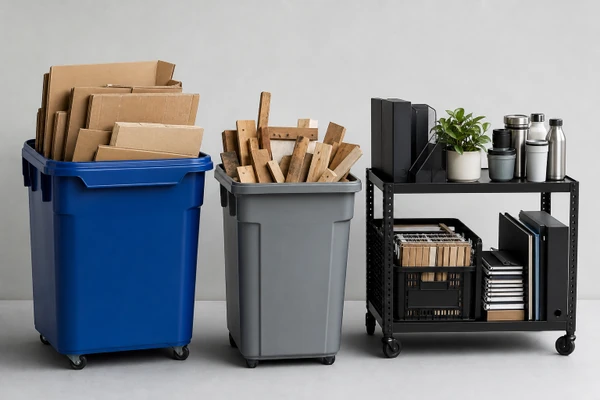
Sorting materials at the source is usually simpler than separating a mixed pile later. Clear labels and designated areas can make the process easier for employees, contractors, and temporary crews.
- Keep dry cardboard away from food and liquid waste.
- Separate metal, clean wood, and other recoverable materials when practical.
- Set aside fixtures, furniture, and supplies that may be reused or donated.
- Keep batteries, electronics, paint, and chemicals out of general debris.
- Use signs that explain what belongs in each collection area.
Material sorting also supports safer handling. Federal construction housekeeping rules emphasize keeping debris clear of work areas, passageways, and stairs, while providing containers for collecting and separating waste. Even businesses outside a construction setting can apply the same common-sense approach.
Protect Workers And Visitors
Cleanup safety is not limited to employees doing the lifting. Customers, delivery drivers, visitors, and other workers may be exposed to loose debris or restricted access if the site is not managed carefully.
- Keep walkways, exits, and stairs free of debris.
- Use appropriate gloves, eye protection, and sturdy footwear.
- Do not load waste above a container’s safe fill level.
- Handle nails, sharp edges, and broken materials with care.
- Keep unauthorized people away from active cleanup zones.
- Inspect the area at the end of every workday.
Damaged drums, unlabeled containers, strong odors, and leaking materials need extra caution. The EPA’s guidance on hazardous materials illustrates why paints, solvents, oils, batteries, and similar products should be managed separately rather than casually mixed with regular trash.
Avoid Common Waste Planning Mistakes
Waiting Until The Last Minute
Rushed arrangements can leave debris in work areas longer than necessary. Plan collection and pickup needs before demolition, cleanout, or installation work begins.
Mixing Materials Without A Plan
Mixed loads can make recycling more difficult and may introduce items that require different handling. A simple sorting plan avoids confusion.
Ignoring Access And Capacity
Narrow driveways, gates, low wires, traffic flow, and loading areas should all be reviewed before a container arrives. Avoid overloading, and distribute debris evenly rather than concentrating heavy materials in one area.
Forgetting The Final Sweep
Removing the waste container does not finish the job. Inspect for nails, dust, scraps, stains, and materials left near doors, landscaping, curbs, or parking areas.
Use A Simple Project Checklist
Common Questions About Business Waste
How Early Should Waste Service Be Planned?
Whenever possible, plan several business days. Larger projects may require additional lead time for multiple pickups, restricted access, permits, or special material handling.
What Should Not Go Into A Regular Waste Container?
Chemicals, fuels, batteries, medical waste, asbestos, pressurized containers, unknown liquids, and certain electronics may require specialized handling. Verify local rules before disposal.
How Can A Business Reduce Waste?
Order materials carefully, reuse packaging, donate usable items, separate recyclable materials, and train employees on sorting procedures. Waste prevention is often easier and less costly than dealing with unnecessary disposal later.
Final Takeaway
A safer, lower-waste cleanup plan begins with clear material categories, realistic estimates, accessible container placement, and consistent sorting throughout the project. Teams should consider the types and expected volume of debris before work begins, while allowing enough flexibility for unexpected materials or changes in project scope. Keeping disposal areas organized can reduce unnecessary movement, prevent clutter from building up, and make it easier for workers to maintain safer pathways. Clear instructions also help employees and contractors know where different materials belong, reducing contamination and unnecessary disposal costs. When businesses treat waste management as part of the project from day one, they can keep work areas cleaner, reduce interruptions, improve efficiency, and respond more effectively to unexpected debris.