
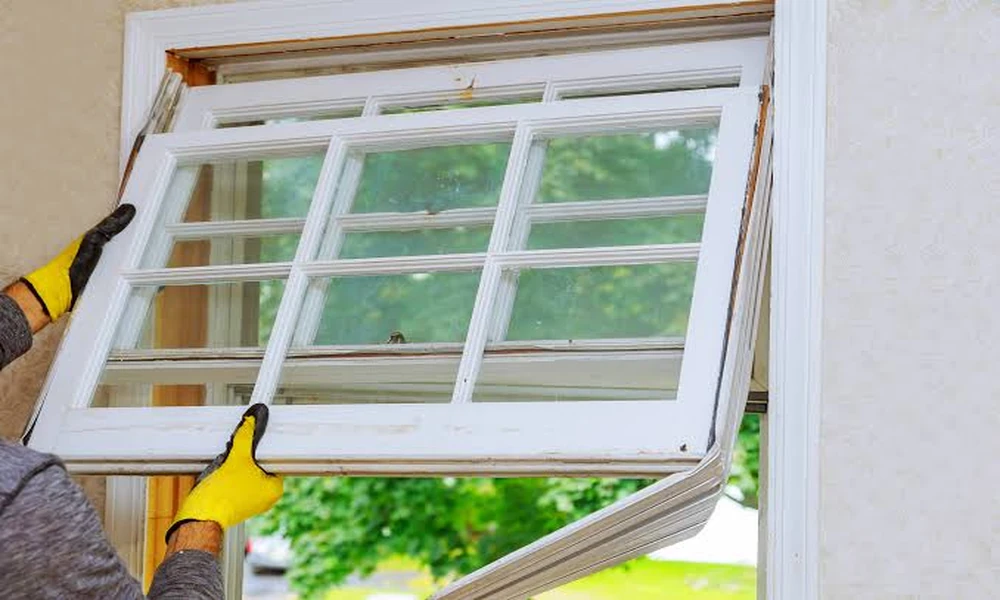
Business windows do more than give customers a view inside; they also affect security, indoor comfort, energy use, and the appearance of the property. Replacing an aging window may involve decisions about glass type, framing, safety requirements, installation methods, and how the work will affect normal business hours. Understanding those details makes commercial window replacement easier to plan and helps owners avoid treating every damaged window as the same type of project.
Window Condition Determines Whether Glass or the Whole Unit Needs Replacement
Cracked glass does not always mean the entire window assembly needs to come out. Technicians first inspect the pane, frame, seals, glazing materials, drainage channels, and nearby wall connections to see how far the deterioration has spread. Damage limited to the glass may be handled through commercial glass replacement while leaving a sound frame in place.
Frame problems change the situation because corrosion, warping, loose joints, or persistent leaks can affect how new glass performs. Replacing only the pane inside a failing assembly may leave drafts, water entry, or movement unresolved. Commercial window replacement becomes a more practical option when the frame itself can no longer support or seal the glazing correctly.
Different Glass Types Serve Different Parts of a Commercial Building
Storefronts, offices, entry areas, and interior partitions do not necessarily use the same glass. Tempered glazing is commonly used where human impact is possible, laminated products can provide added retention after breakage, and insulated glass units help limit heat transfer through exterior openings. Tints and coatings can also control glare, solar heat, privacy, or appearance.
Specifications matter because replacement glass must work with both the opening and its location within the building. A contractor may check thickness, safety markings, coating orientation, spacer configuration, tint, and edge requirements before ordering a new unit. Searches for commercial glass replacement near me often begin with a broken pane, but proper product identification determines what should actually go back into the frame.
Measurements Go Far Beyond the Visible Width and Height
Accurate sizing requires more than placing a tape measure across the exposed portion of the window. Installers account for the hidden glass that extends behind stops or gaskets, the depth of the frame, required edge clearance, glass thickness, and the space needed for setting blocks or other supports. Those measurements influence how securely the finished pane sits.
Fabrication becomes even more detailed with specialty shapes, insulated units, or glass that needs holes and cutouts. Tempered material must generally be cut and shaped before heat treatment, so errors cannot simply be corrected at the jobsite. Careful measuring during commercial window installation helps prevent delays and reduces the chance of ordering glass that does not fit the existing system.
Installation Scheduling Can Reduce Disruption to Daily Operations
Replacing windows in an occupied business requires coordination around employees, customers, deliveries, and pedestrian traffic. Contractors may need to block certain areas temporarily, move merchandise away from the opening, or create safe walking routes while damaged glass is removed. Businesses with busy entrances often benefit from scheduling work during quieter operating periods.
Planning also becomes important if fabrication takes time or temporary protection is needed after breakage. Custom insulated units, tinted glass, and specialty safety glazing may not be immediately available. Crews can sometimes secure an opening before the permanent commercial glass replacement arrives, allowing the property to remain protected while the correct material is prepared.
Frames and Seals Matter as Much as the New Glass
Fresh glass will not solve a leaking window if deteriorated components around it remain untouched. Hardened gaskets, separated sealant, blocked drainage openings, damaged glazing stops, and corroded frame sections can allow air or water to move around an otherwise correctly fabricated pane. Technicians often examine these areas once the existing glass has been removed.
Weather resistance depends on maintaining the entire window assembly rather than focusing only on the transparent surface. Exterior joints must shed water properly, while interior seals should help control unwanted air movement. A thorough commercial window replacement addresses supporting materials where needed so the new glazing is not installed into conditions that caused the previous system to fail.
Door Glass and Window Glass Can Require Different Installation Methods
Entry doors face repeated movement and impact that fixed storefront windows do not experience. Hinges, pivots, closers, handles, locks, rails, and patch fittings can all transfer force into the glass, making accurate fabrication especially important. Commercial door glass replacement may therefore require detailed hardware measurements in addition to the overall panel size.
Safety glazing also receives closer attention around doors because people regularly pass through these openings. Tempered or laminated products may be required depending on the application, and damaged hardware should be corrected before a replacement panel is placed back into service. Treating door glazing exactly like a fixed window can overlook stresses created by daily opening and closing.
Matching Existing Windows Takes More Than Picking Clear Glass
Visual consistency matters on storefronts where several panes sit side by side. Existing glass may have a specific tint, reflective coating, low-emissivity surface, thickness, or edge color that becomes obvious if the replacement differs. Years of weather exposure can make an exact match harder because older panes may no longer look exactly as they did when first installed.
Experienced evaluation can narrow the difference by comparing surrounding glass, identifying the original construction where possible, and selecting a compatible modern product. North Alabama Glass assists commercial properties with commercial glass replacement, window systems, storefront glazing, and commercial door glass replacement, giving business owners a local resource for assessing damaged openings and determining whether new glass or a complete window assembly better fits the condition of the property.
