
Key Takeaways
- Hybrids and EVs are increasingly popular, offering diverse options for consumers.
- Advancements in battery technology and charging infrastructure are enhancing vehicle performance and convenience.
- Government incentives and policies are accelerating the adoption of eco-friendly vehicles.
- Environmental benefits include reduced emissions and improved air quality.
- Challenges such as charging infrastructure and range anxiety are being addressed through technological innovations.
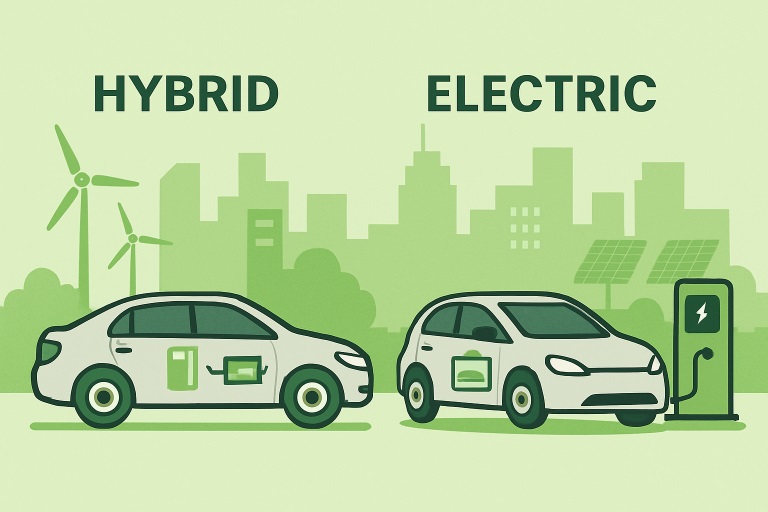
Hybrid and electric vehicles (EVs) are rapidly transforming the automotive landscape. Their rising popularity is creating major shifts in driving habits, environmental impact, and automotive technology. With drivers seeking more sustainable solutions and new advancements coming at a steady pace, hybrids and EVs are no longer niche options. They are central to how Americans approach everyday travel. Learn more about the latest trends and what they mean for your next vehicle choice.
The growing popularity of hybrid and electric vehicles (EVs) is driven by environmental concerns, cost savings, government incentives, and enhanced vehicle reliability. This shift is transforming car ownership and operating experiences, supported by better access to charging stations, improved battery technology, and favorable policies. Both new and experienced drivers are exploring cleaner, more efficient mobility options, and public opinion increasingly favors sustainable vehicles. The automotive industry’s innovations suggest that hybrids and EVs will play a significant role in shaping future transportation.
Rising Popularity of Hybrids and EVs
The shift to hybrid and electric vehicles has continued to gain real momentum in the U.S. over the past couple of years, with “electrified” vehicles accounting for about 20 % of all new car and light‑truck sales in 2024, driven by roughly 1.9 million hybrid vehicles and 1.3 million pure EVs sold. Analysts expected that trend to strengthen in 2025, with forecasts suggesting that about one in four new vehicles sold in the U.S. would be electrified, with hybrids representing the larger slice of that growth. In early 2025, electric vehicles accounted for roughly 24 % of the market, as hybrid sales surged more than plug‑in and battery‑only EV sales. Much of the current popularity of hybrids reflects slower growth and even plateauing of pure EV market share compared with faster hybrid uptake, as buyers weigh costs, charging infrastructure availability, and practicality. Automakers have responded with broader hybrid lineups and investments, and models like Honda’s CR‑V, Accord, and Civic hybrids have helped drive record-low-emission, fuel-efficient sales, reinforcing consumer interest in vehicles that offer improved economy without the need for frequent external charging. For many drivers, hybrids continue to strike a compelling balance between efficiency and usability, contributing to their growing share of the U.S. automotive market.
Advancements in Battery Technology
The progress made in battery design and chemistry has fundamentally changed the potential of EVs. New models commonly deliver more than 300 miles per charge thanks to improved lithium-ion batteries. This enhanced range addresses earlier concerns about the practicality of EVs for daily use or longer trips. Fast-charging stations are also on the rise, allowing drivers to recharge in minutes rather than hours. Such innovations are removing barriers to adoption, making EVs increasingly accessible for a wider range of drivers. As an additional benefit, the reduced weight and enhanced durability of new batteries lower the long-term cost of ownership. For more insights, the U.S. Department of Energy regularly evaluates advances in EV technology and their effects on consumers and industry growth.
Expansion of Charging Infrastructure
The rapid growth of EVs has necessitated a similar buildout of charging infrastructure. Federal, state, and local governments, as well as private businesses, are investing heavily in both urban and rural areas. Charging stations are now common in places like workplaces, shopping centers, hotels, and municipal lots. Level 2 and fast-charging options help dissipate fears about being stranded without power. These installations make choosing an EV a more viable option for those who previously worried about range limitations. As public and private sectors continue to collaborate, the number of charging points will only increase, smoothing the path to broad adoption.
Government Policies and Incentives
The move toward hybrids and EVs is being strongly encouraged by supportive government initiatives. Tax credits, local rebates, emissions regulations, and direct investments in charging networks have put electric and hybrid vehicles within reach for more Americans. These incentives not only lower the upfront costs but also reduce the total cost of ownership for environmentally friendly cars. This approach is supported by ongoing efforts in Congress and state legislatures to further curb emissions and cut individual carbon footprints.
Environmental Impact
One of the primary motivations behind the rise of hybrids and EVs is the positive impact on the environment. By reducing reliance on fossil fuels, these vehicles cut emissions that significantly contribute to air pollution and climate change. With every new hybrid or EV on the road, the transportation sector’s overall carbon output shrinks. Studies from the Environmental Protection Agency confirm that these benefits will only increase as the electric grid incorporates more renewable energy sources, further amplifying the green effect for future generations.
Challenges and Solutions
There are still hurdles to overcome for hybrids and EVs to reach their full potential. Two of the most notable challenges are range anxiety and the adequacy of charging networks. Innovative solutions are being tested, such as new charging-while-driving (CWD) lanes that wirelessly recharge an EV as it moves, though these present unique challenges for traffic flow. Research published by the Institute of Electrical and Electronics Engineers (IEEE) highlights the complex effects of such infrastructure on daily commutes and traffic management systems. As these pilot programs expand and technology continues to advance, experts are optimistic that current limitations will be overcome and that EV ownership will become seamless and convenient.
Conclusion
Hybrids and EVs are at the center of the shift to cleaner, smarter transportation. With strong momentum driven by new battery technology, robust policy support, and improved infrastructure, these vehicles are on track to become the standard option for everyday driving. Their economic and environmental benefits are clear, and new solutions are continuously emerging to answer remaining obstacles. The move to hybrids and EVs not only benefits individual drivers but also supports a healthier planet and a more sustainable future for all.